
Trailers and containers are crucial for transporting goods across the country, but they’re constantly exposed to harsh weather conditions. Whether it’s extreme heat, freezing cold, or heavy rain, weather plays a significant role in the wear and tear of these structures. Understanding how different weather conditions can affect trailers and containers—and how to protect them—will help you maintain a reliable and efficient fleet.
1. Heat and UV Damage
The sun’s heat and ultraviolet (UV) rays can cause long-term damage to trailers and containers. When exposed to high temperatures, metal parts expand, seals can weaken, and paint may fade or crack. In particular, prolonged sun exposure can cause materials like rubber and plastic (used in tires, seals, and wiring) to dry out and become brittle.
Impact on Trailers and Containers:
- Tire degradation: Heat accelerates wear and increases the likelihood of tire blowouts.
- Seal damage: Rubber seals can dry out, leading to water ingress and potential corrosion.
- Paint deterioration: UV rays can fade paint and expose metal surfaces to rust and corrosion.
How to Protect Your Fleet:
- Inspect tires regularly: Check tire pressure and condition before long trips, and replace any signs of excessive wear.
- Use UV-resistant coatings: Apply UV-protective paint or sealant to prevent sun damage and rust.
- Park in shaded areas: Whenever possible, park trailers and containers in shaded or covered areas to reduce direct exposure to sunlight.
2. Cold and Freezing Temperatures
Freezing temperatures present unique challenges for trailers and containers, especially if they’re not properly prepared for winter conditions. Cold weather causes materials to contract, which can lead to cracks, and it affects the performance of braking systems, tires, and hydraulic components.
Impact on Trailers and Containers:
- Metal fatigue: Sudden temperature drops can cause metal components to contract, leading to cracks or structural weaknesses.
- Brake system malfunctions: Cold temperatures can thicken hydraulic fluids, which may affect the braking system’s responsiveness.
- Tire wear: Cold weather reduces tire traction and increases the likelihood of blowouts due to pressure imbalances.
How to Protect Your Fleet:
Keep tires properly inflated: Cold air causes tire pressure to drop, so check and adjust the pressure frequently to maintain optimal performance.
Use winter-grade fluids: Switch to winter-grade hydraulic fluids and lubricants to prevent thickening in cold weather.
Check brakes frequently: Inspect your brake system regularly to ensure it remains responsive in freezing conditions.
3. Heavy Rain and Moisture
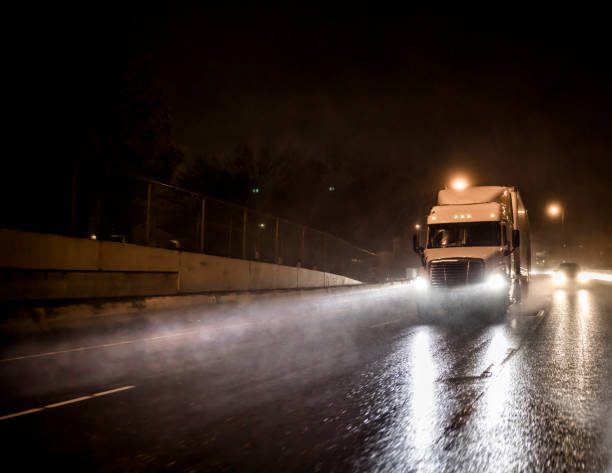
Rainwater and humidity are major contributors to rust and corrosion, particularly for trailers and containers made of steel or other metals. Water can seep into cracks, joints, and seals, causing rust to spread and weakening the structural integrity of the trailer or container.
Impact on Trailers and Containers:
- Rust and corrosion: Prolonged exposure to moisture leads to rust on metal surfaces, which can compromise the trailer’s frame, axles, and other critical components.
- Electrical system damage: Moisture can infiltrate electrical systems, causing shorts or failures in lights, brakes, and other powered systems.
- Increased maintenance needs: Constant exposure to moisture means more frequent maintenance is required to address corrosion and other weather-related wear.
How to Protect Your Fleet:
Use waterproof covers: For stationary containers, consider using waterproof covers or tarps to keep excess moisture away.
Apply rust-proof coatings: Use anti-corrosion coatings on metal surfaces, including the frame, axles, and undercarriage, to prevent rust from forming.
Inspect seals and joints: Regularly inspect rubber seals and joints to ensure water is not seeping into vulnerable areas.
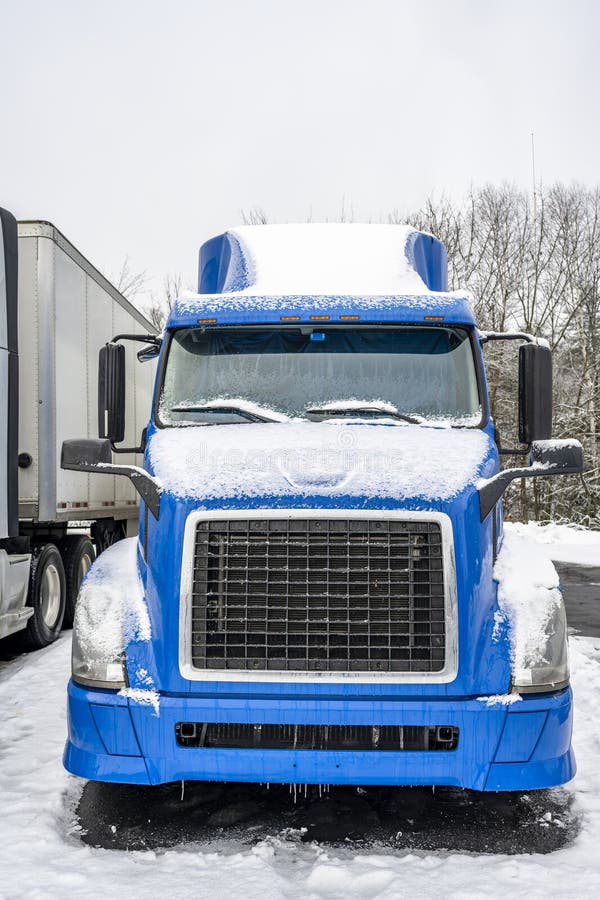
4. Snow and Ice Accumulation
Heavy snowfall and ice buildup can damage trailers and containers in multiple ways. The weight of accumulated snow or ice can strain the structural components of trailers, while freezing rain can lead to slippery surfaces, making loading and unloading dangerous.
Impact on Trailers and Containers:
- Structural strain: Excess snow and ice put pressure on the roof and frame, potentially causing damage or collapse in extreme cases.
- Slippery surfaces: Ice accumulation on walkways, steps, and ramps can create hazardous conditions for workers.
- Corrosion from salt: Salt used to melt snow on roads can accelerate rusting on trailers and containers, particularly on the undercarriage.
How to Protect Your Fleet:
- Clear snow regularly: After storms, remove accumulated snow and ice from trailer roofs and walkways to reduce the risk of structural damage and improve safety.
- Use non-slip coatings: Apply non-slip coatings or mats to areas that are prone to icing to prevent slips and falls.
- Rinse after exposure to salt: If your fleet operates in regions where salt is used on roads, rinse trailers and containers frequently to prevent corrosion from salt buildup.
5. Wind and Storms
High winds and severe storms can pose significant risks to trailers and containers. Strong gusts can tip over or move trailers that aren’t properly secured, while flying debris during storms can cause physical damage.
Impact on Trailers and Containers:
- Trailer tipping: High winds can destabilize trailers, especially if they are parked empty or carrying light loads.
- Damage from flying debris: During storms, trailers and containers are susceptible to damage from debris such as tree branches, road signs, or other objects.
- Water infiltration: Storms often bring heavy rainfall, which can overwhelm seals and lead to water damage.
How to Protect Your Fleet:
- Anchor trailers securely: When parking trailers in areas prone to high winds, ensure they are properly anchored or secured to prevent tipping.
- Use wind-resistant containers: Invest in containers designed for high-wind environments, especially for storage or long-term stationary use.
- Inspect for storm damage: After a storm, conduct thorough inspections to check for damage and address any issues promptly.