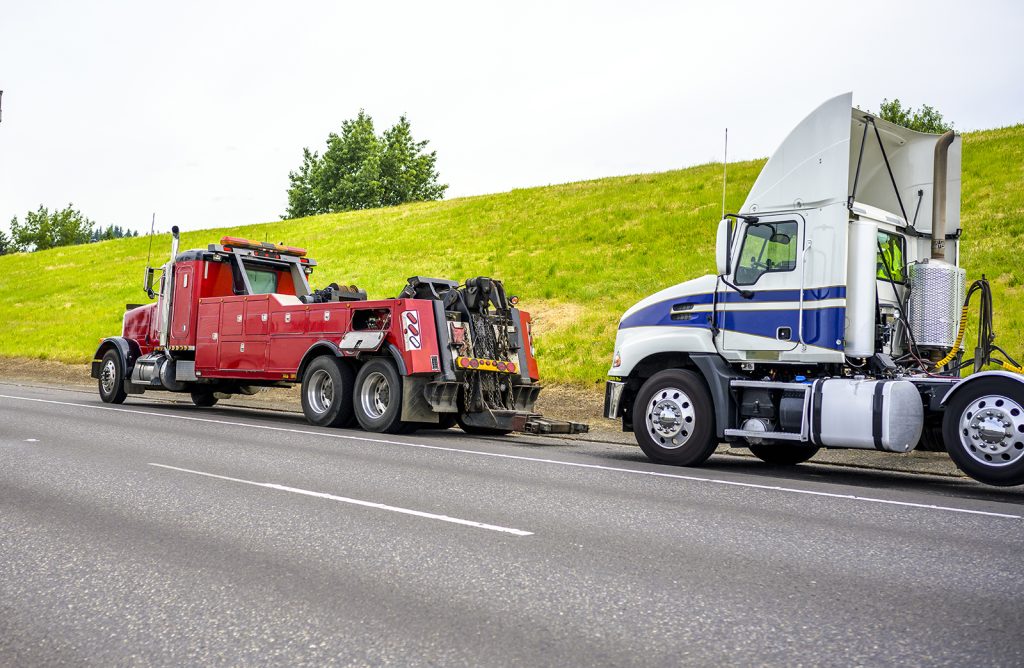
Breaking down on the road with a trailer can be a stressful experience, especially when you're miles away from the nearest repair shop or stuck on a busy highway. Whether you're a trucker hauling cargo or a business managing a fleet, knowing what steps to take in a roadside emergency is crucial for ensuring your safety, the safety of other drivers, and minimizing downtime.
Here’s a step-by-step guide on what to do when your trailer breaks down on the road:
1. Prioritize Safety First
The moment you experience a breakdown, safety should be your number one priority. If possible, move your vehicle and trailer to the shoulder of the road or a safe location, far away from traffic. Use your hazard lights to alert other drivers of your situation.
If you’re in a high-traffic area or can’t get off the road, put out reflective warning triangles or flares to make your vehicle more visible. This is especially important at night or in bad weather conditions when visibility is reduced. Many states require the use of reflective devices to warn approaching vehicles in the event of a breakdown.
Quick Tip: Always keep a safety kit in your cab that includes road flares, reflective triangles, a flashlight, and basic first-aid supplies.
2. Assess the Situation
Once you’re safely off the road, take a moment to assess the problem. Determine if the issue is something you can fix on your own or if you need professional assistance. Common problems that could occur include:
- Flat tires
- Brake failures
- Electrical issues (e.g., broken lights)
- Overheating or engine issues (if it’s a powered trailer)
- Axle or suspension problems
- Load shifting or improper cargo securing
Knowing the type of issue you’re facing will help you decide the next steps. If it’s a minor issue that you’re equipped to handle, such as a flat tire, and you have the proper tools, you might be able to make a quick fix and get back on the road.
3. Call for Roadside Assistance
For more significant problems—such as brake issues, suspension failures, or engine trouble—calling for professional roadside assistance is your best option. At Diamond Trailer Service, we offer 24/7 mobile repair services that can quickly reach you, whether you’re near a major city or in a remote area.
When calling for roadside assistance, be prepared to provide the following information:
- Location: Use GPS or a nearby mile marker to pinpoint where you are.
- Problem Description: Explain the symptoms of the breakdown (e.g., “My trailer brakes have locked up,” “I have a blown tire,” or “The engine is overheating”).
- Vehicle and Trailer Details: Provide the make, model, and type of your truck and trailer.
- Urgency: Let the dispatcher know how urgent your situation is and if you’re in a particularly dangerous or high-traffic area.
4. Secure Your Cargo
If your breakdown involves a cargo trailer, it’s essential to ensure your load remains secure. A breakdown could cause cargo to shift or become unstable, leading to dangerous situations if not addressed. Check all straps, locks, and securing mechanisms to ensure everything is in place.
If cargo has shifted, contact your roadside assistance provider for additional support. At Diamond Trailer Service, we can help with load adjustments to ensure everything is properly secured before you get back on the road.
5. Communicate with Your Dispatcher or Clients
If you’re hauling time-sensitive cargo, it’s critical to communicate with your dispatcher or client as soon as possible. Let them know about the breakdown and provide an estimate of the delay based on the roadside assistance provider's arrival time and repair duration.
Keeping all parties informed helps manage expectations and gives your team time to plan alternative solutions, if necessary. If you have a fleet maintenance contract with Diamond Trailer Service, we can also assist with coordinating backup vehicles or additional resources to reduce the impact of downtime.
6. Prepare for Common Repairs
Certain trailer issues are more common than others. It’s a good idea to familiarize yourself with common repairs and have the appropriate tools and spare parts on hand for minor fixes. Here are a few items you should consider keeping in your truck or trailer:
- Spare tires and tire-changing tools
- Extra brake pads and lights
- Duct tape, zip ties, and other basic repair supplies
- Replacement hoses and clamps for coolant or hydraulic lines
While some repairs can be done on the road, others—like brake system failures or axle issues—require professional service. Having Diamond Trailer Service on call ensures you get expert help quickly, minimizing downtime and preventing further damage to your trailer or cargo.
7. Prevent Future Breakdowns
Breakdowns are often the result of small, preventable issues that could have been caught earlier. To avoid future incidents, make sure you’re following a regular maintenance schedule for your trailer and truck. This includes:
- Frequent tire inspections and replacements
- Regular brake system checks
- Fluid and oil changes for engine-powered trailers
- Checking suspension, axles, and chassis for wear and tear
- Verifying the electrical systems (lights, brakes, etc.) are functioning properly
At Diamond Trailer Service, we offer preventative maintenance programs to help you catch potential issues before they lead to breakdowns. Our routine inspections and maintenance services ensure that your fleet is road-ready at all times.